MM.XXVIDing an sich.
In Kantian metaphysics, das Ding an sich, the thing in itself, exists independently of human perception and experience. Kant argued that humans can never directly know or see the Ding an sich. Our mind and senses automatically shape how we experience everything. We only know things how they appear to us—as phenomena filtered through sight, colour processing, spatial awareness, and our concept of time—, but not as they are on their own (or noumena as Kant called it).
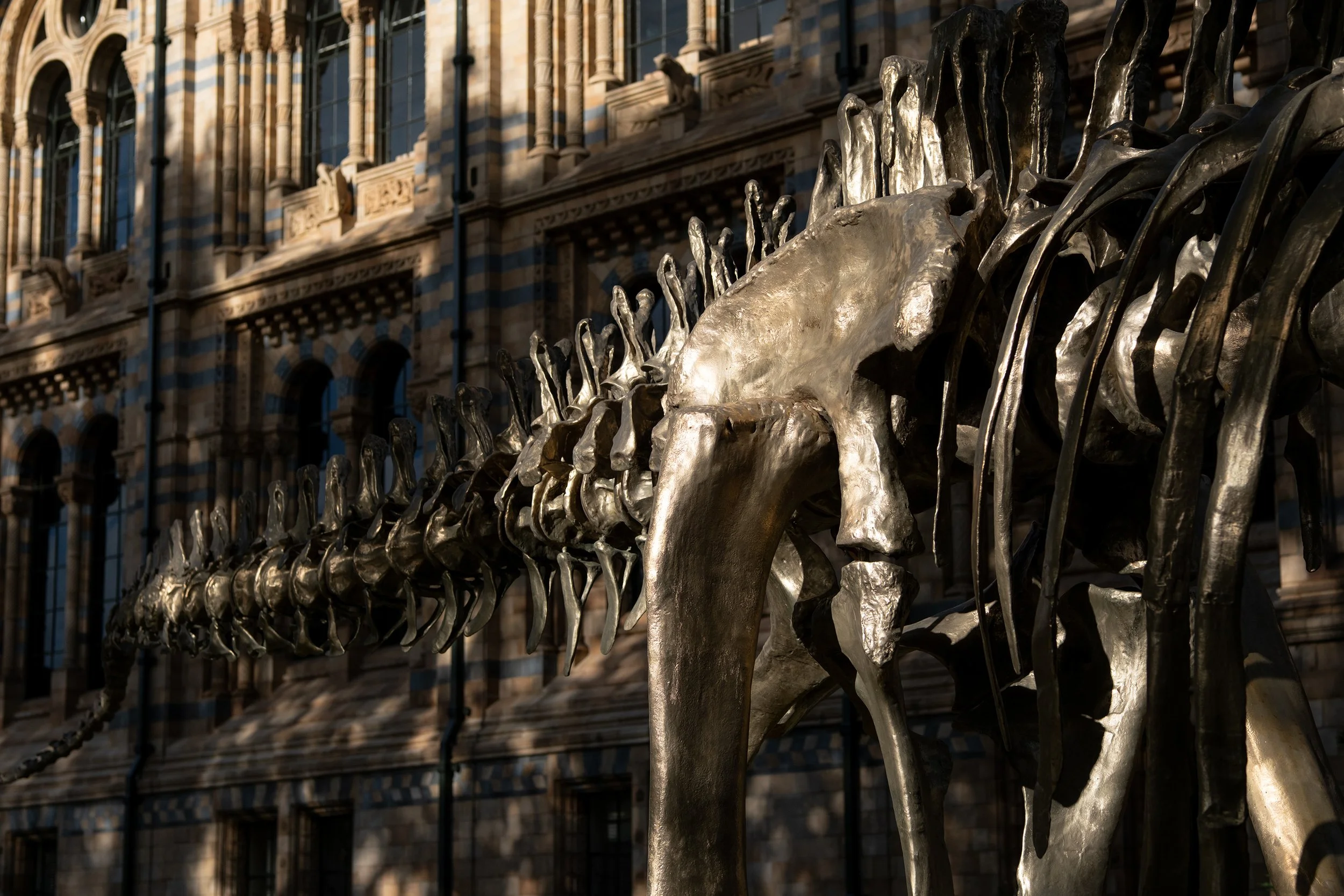
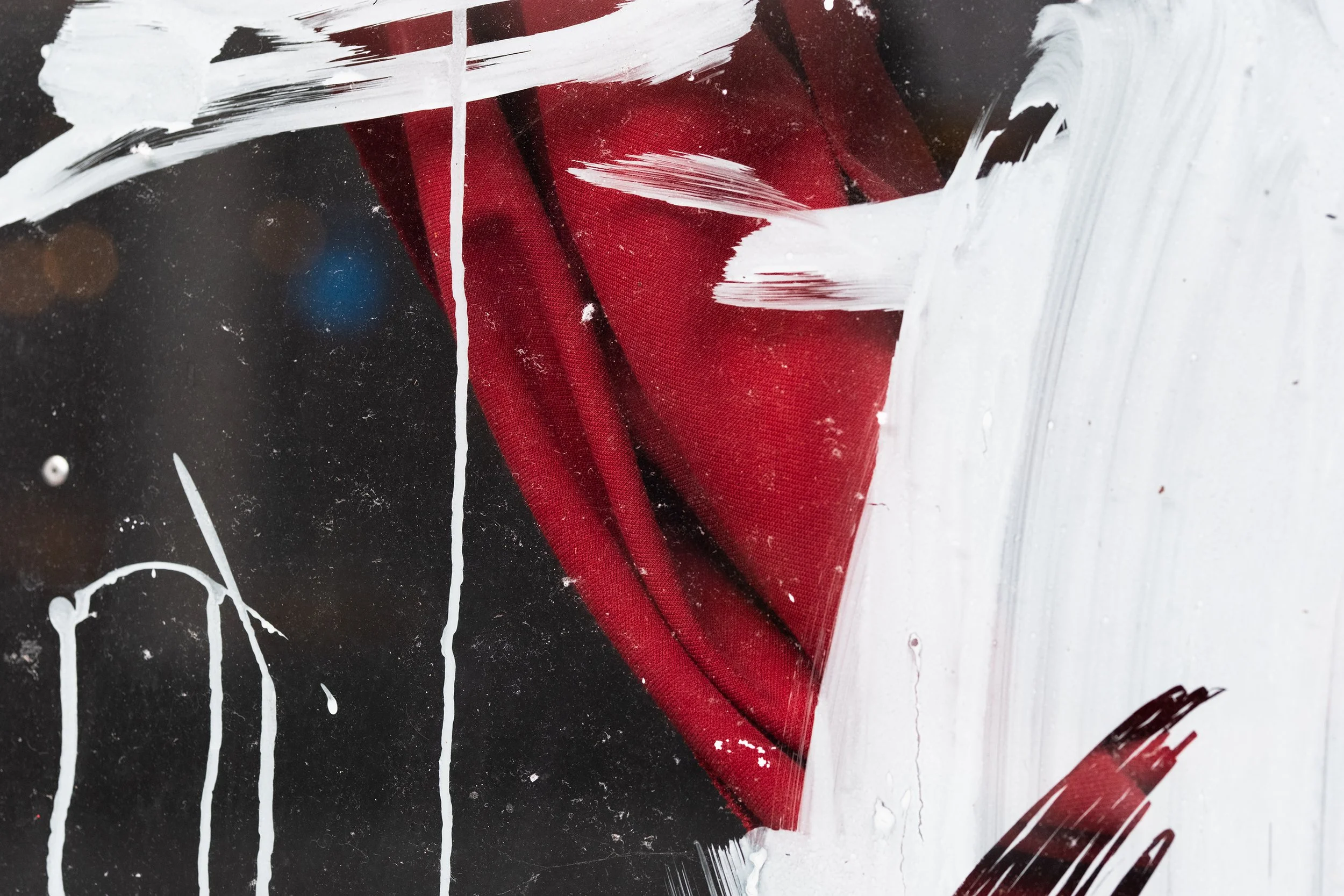
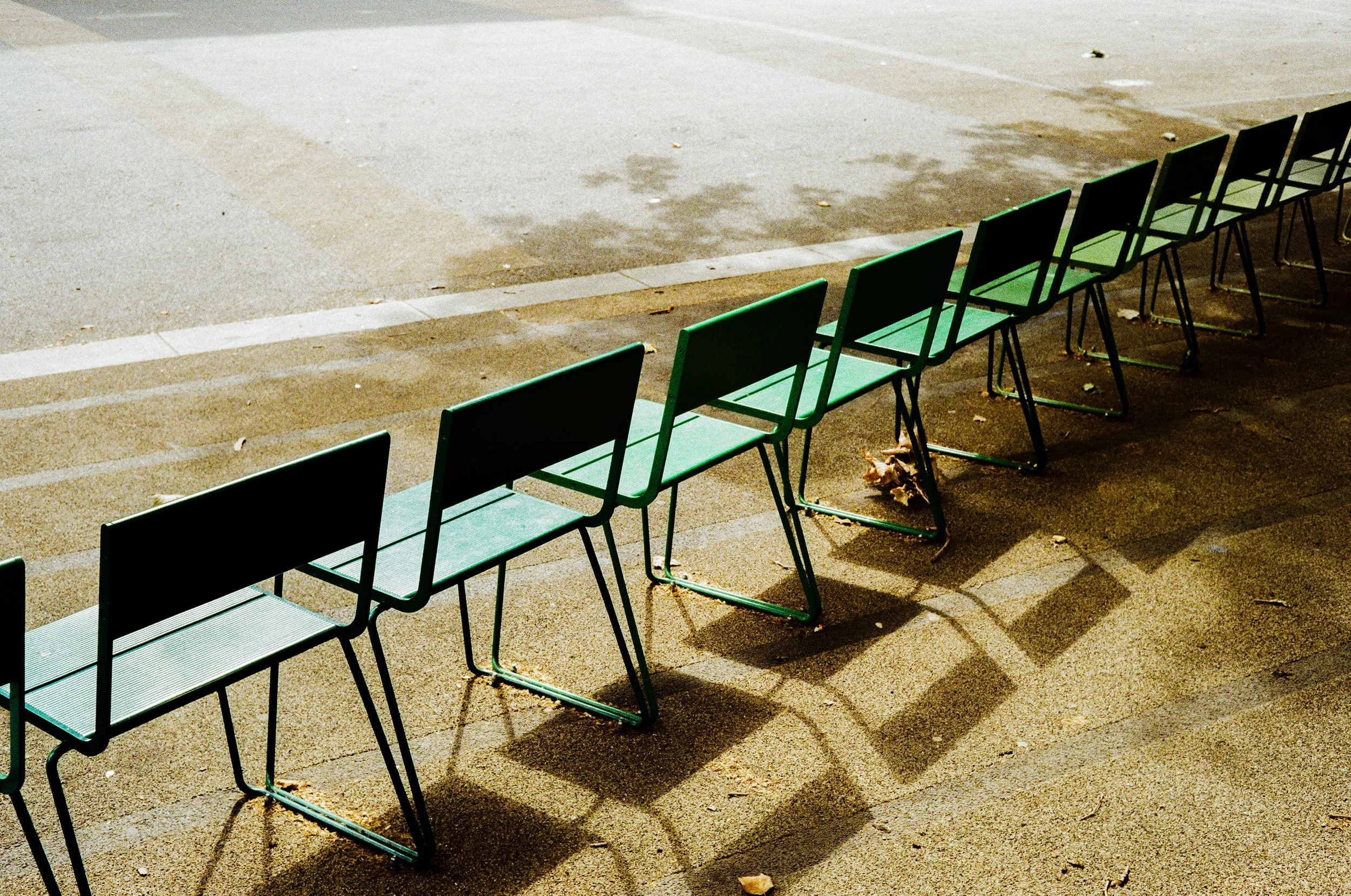
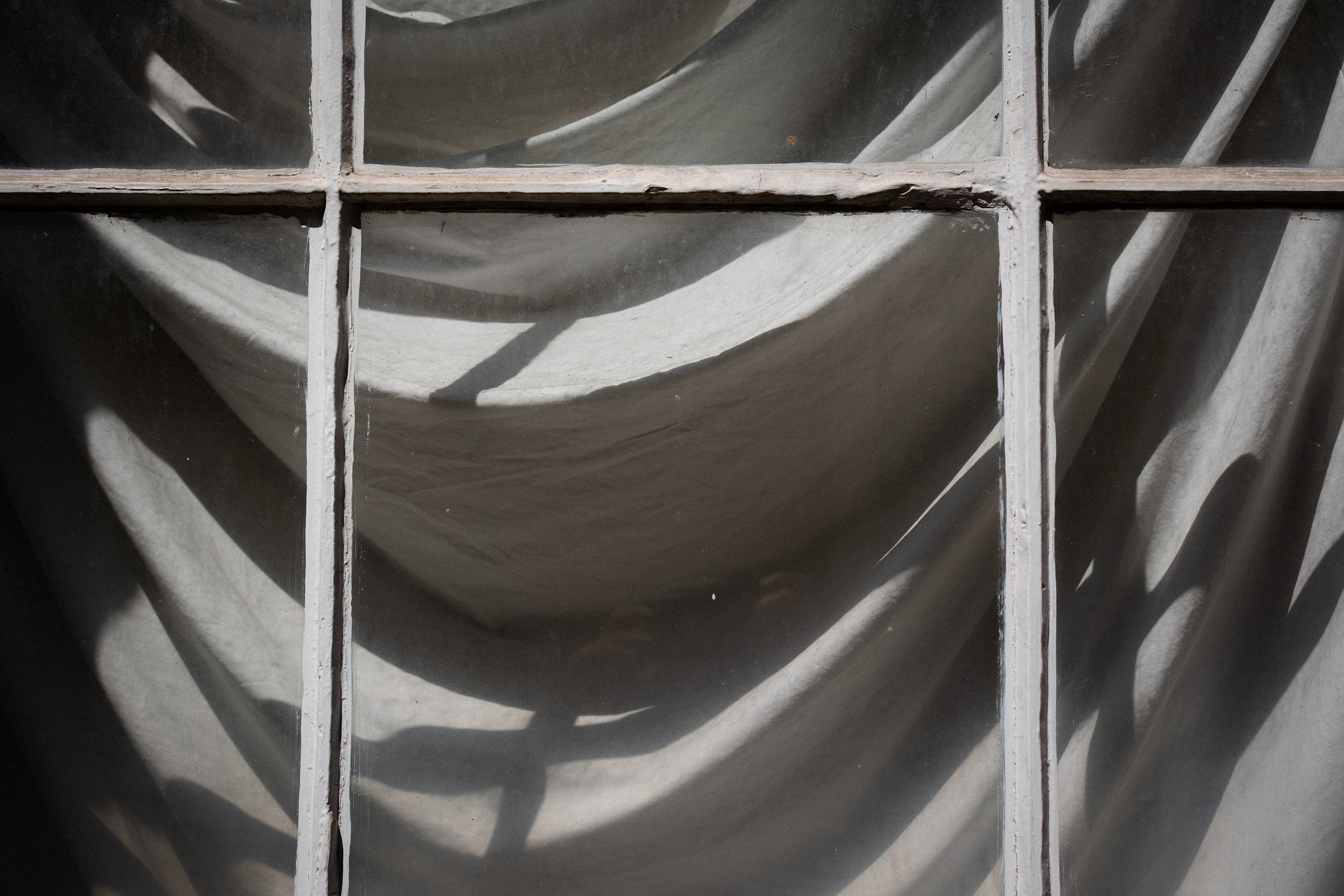
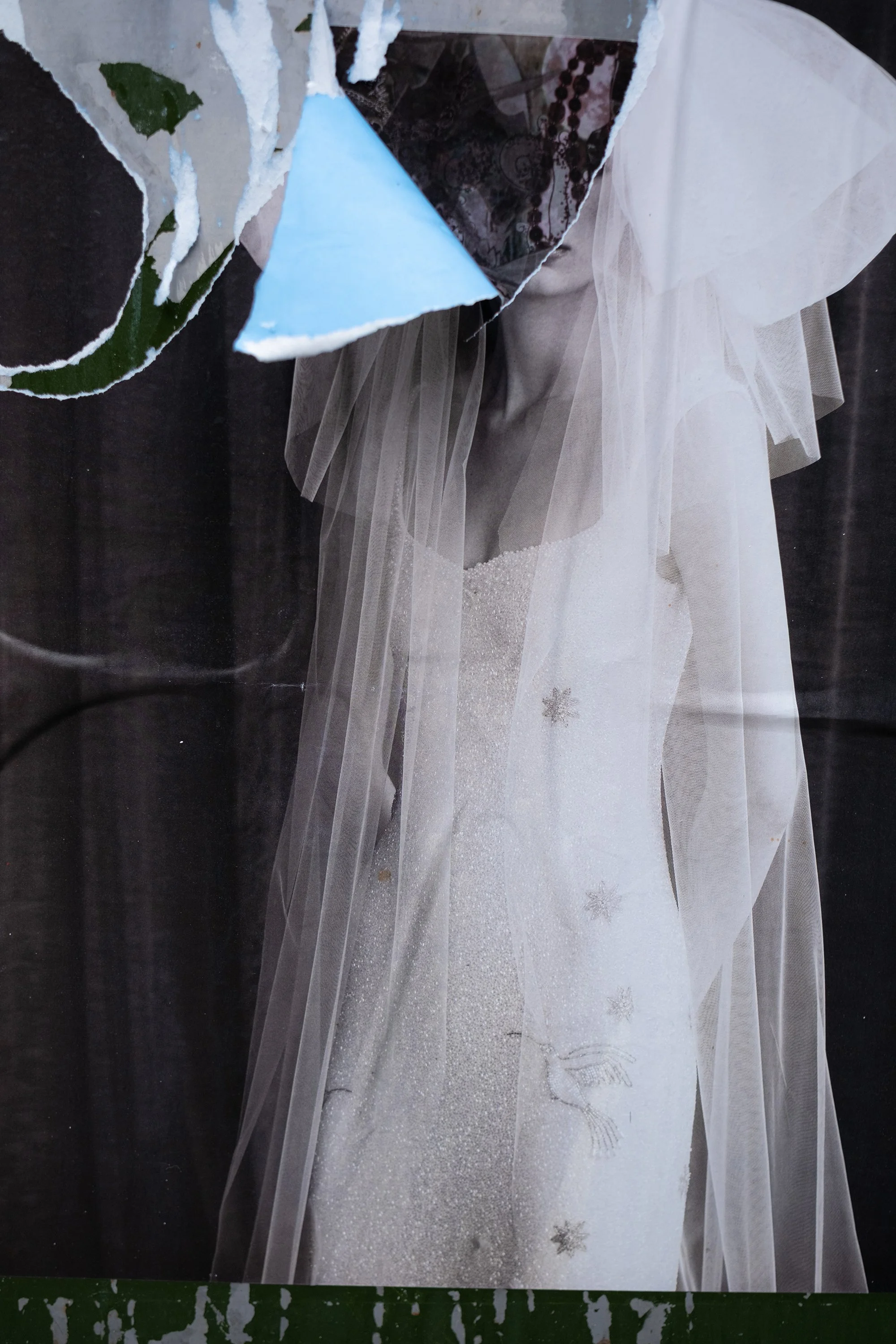
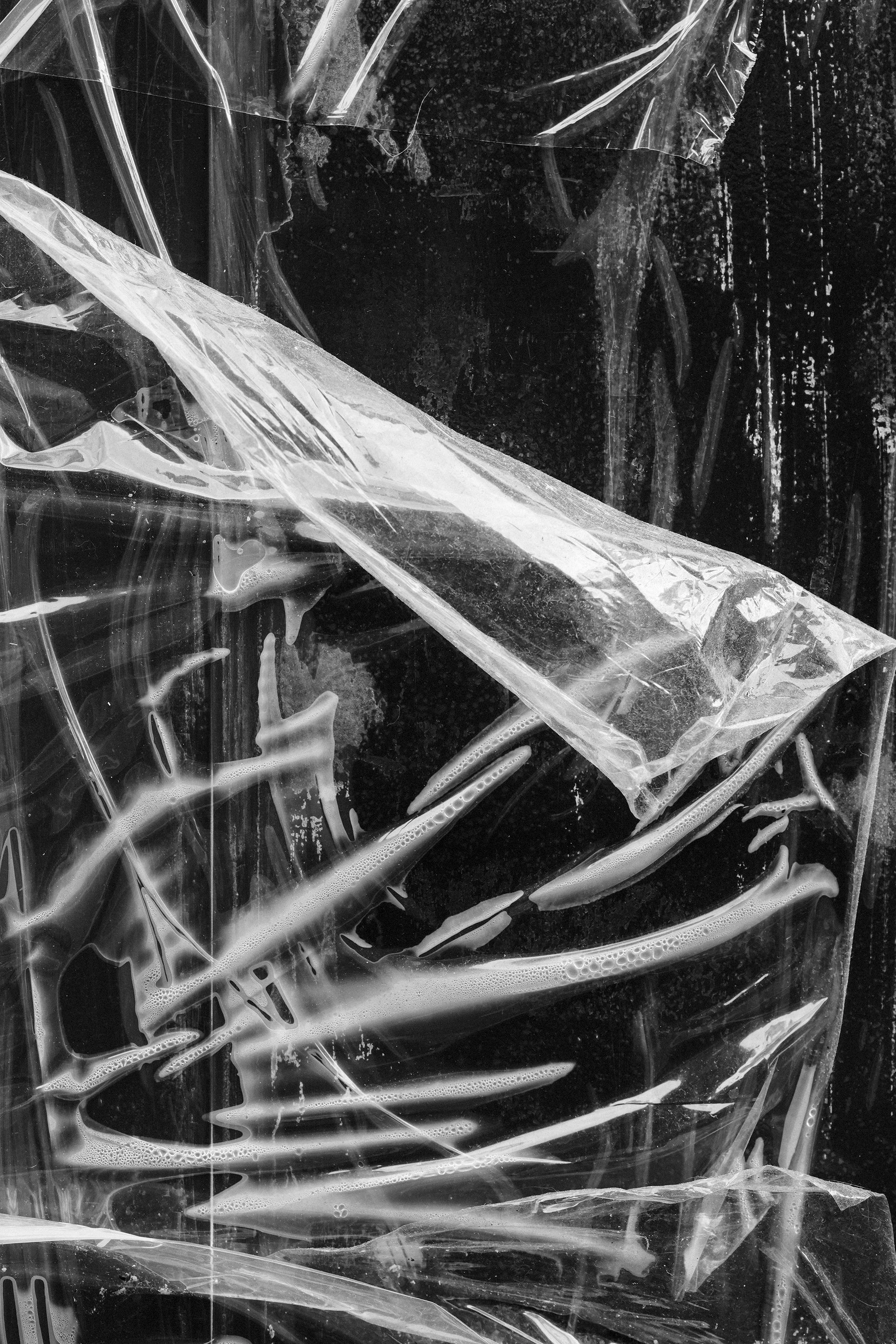
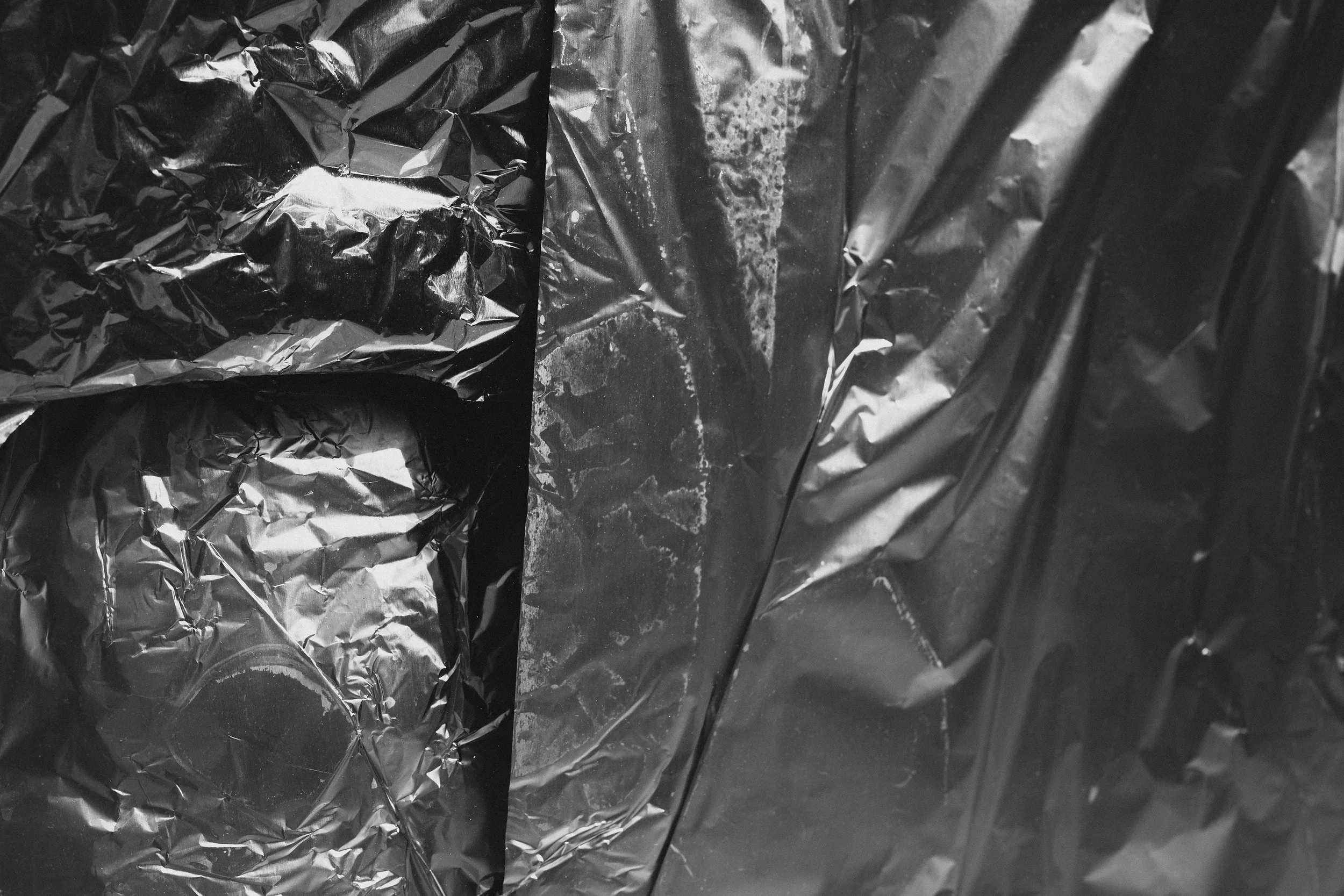
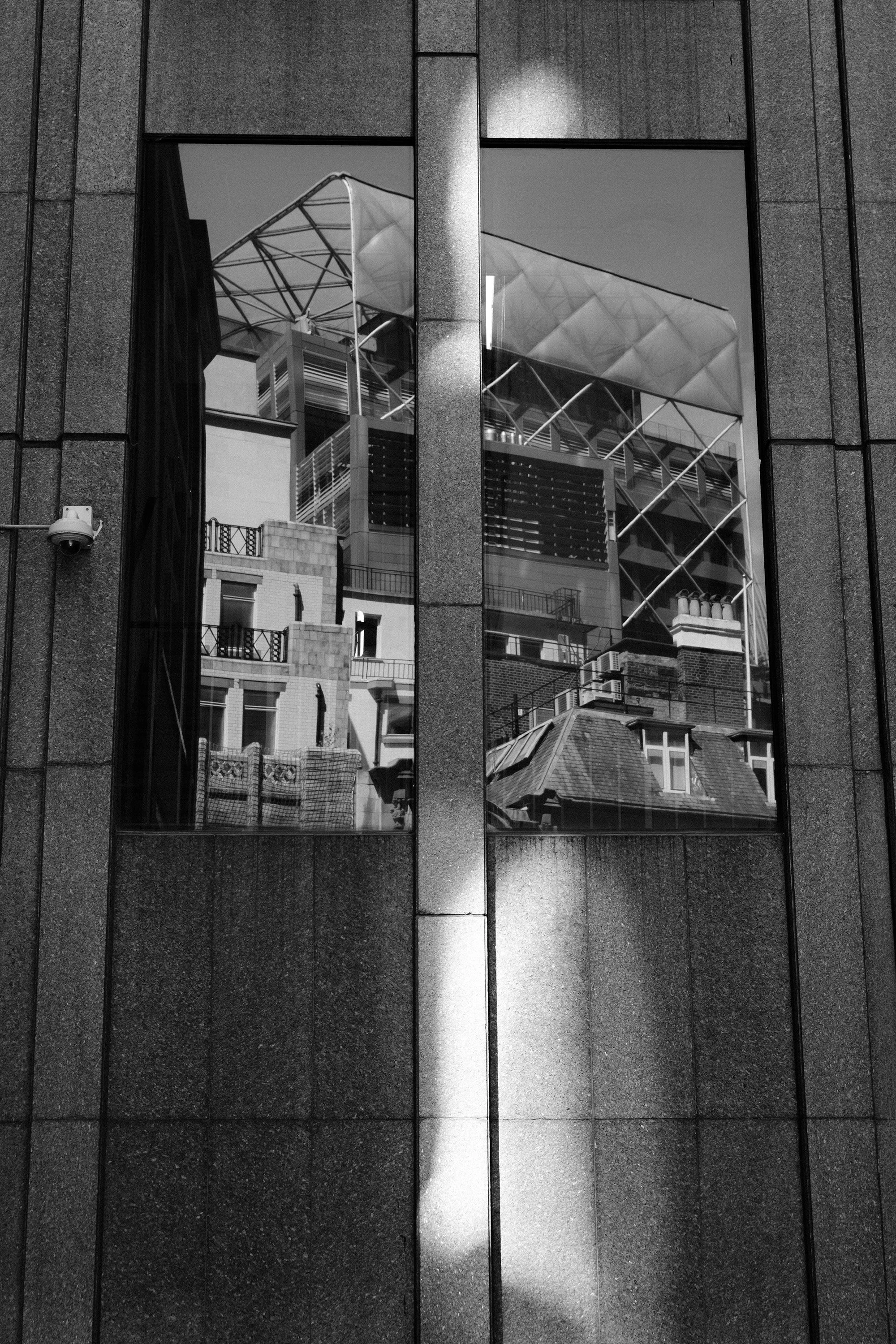
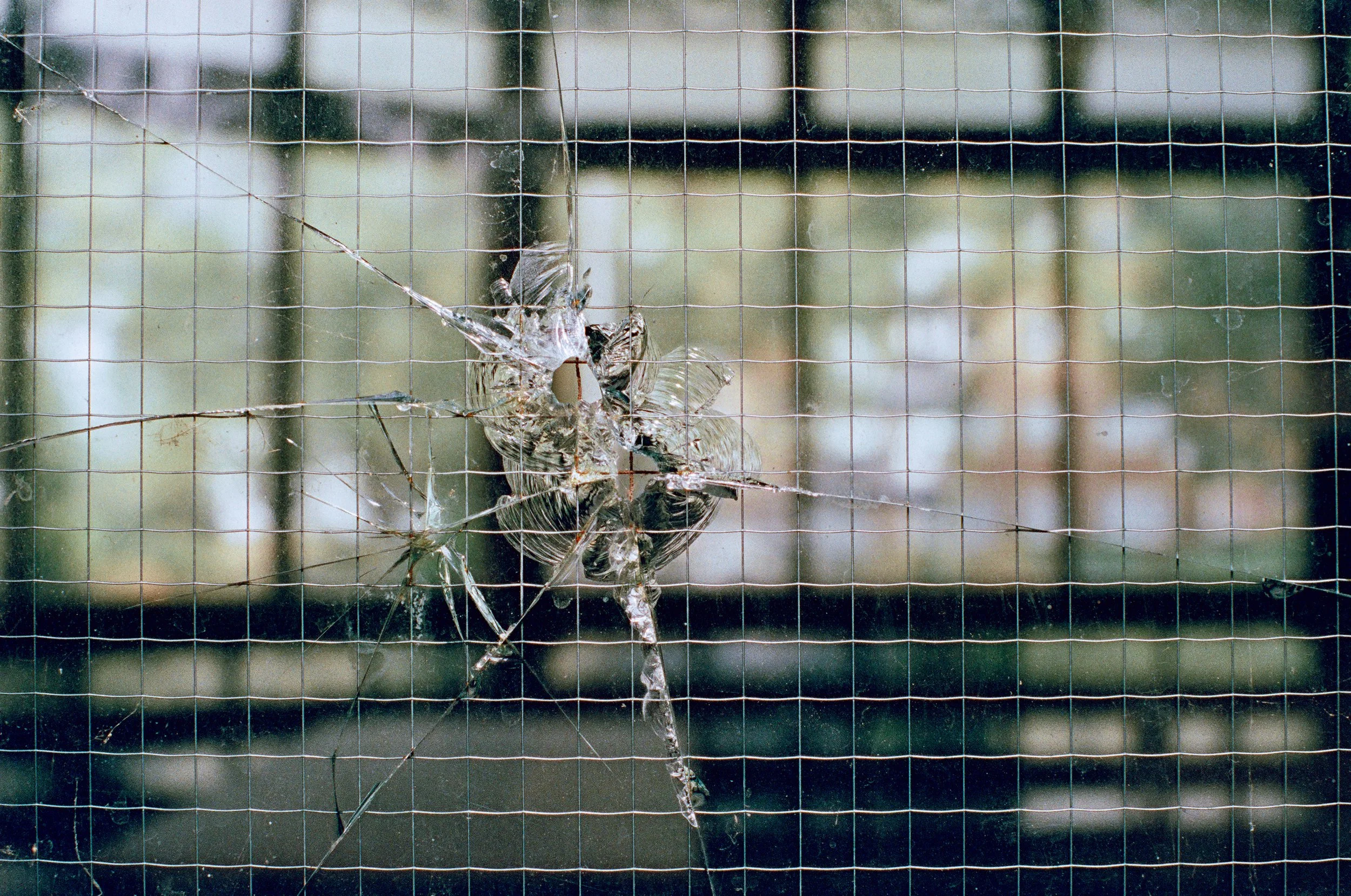
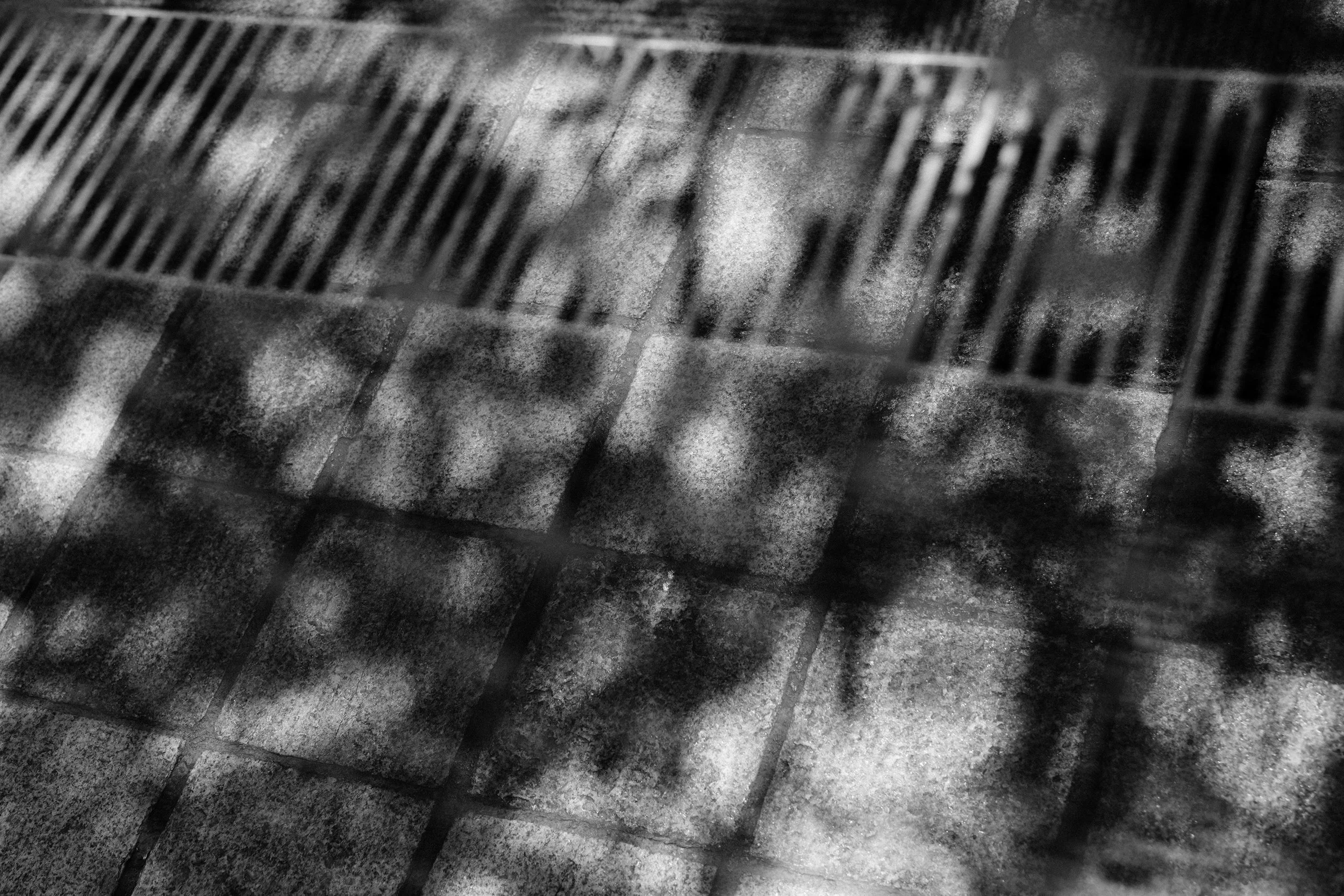
Although criticised and refuted by G.E. Schulze and Arthur Schopenhauer, Kant’s distinction between subjective perception and reality lays the ground for this visual essay. These photographs explore our experiences of the world through easily missed details and textures. They trigger the viewer’s cross-modal association, anticipating and simulating tactile and emotional experiences, ultimately examining if one can never truly see and understand das Ding an sich.













“And we indeed, rightly considering objects of sense as mere appearances, confess thereby that they are based upon a thing in itself, though we know not this thing as it is in itself, but only know its appearances, viz., the way in which our senses are affected by this unknown something.”